On this page
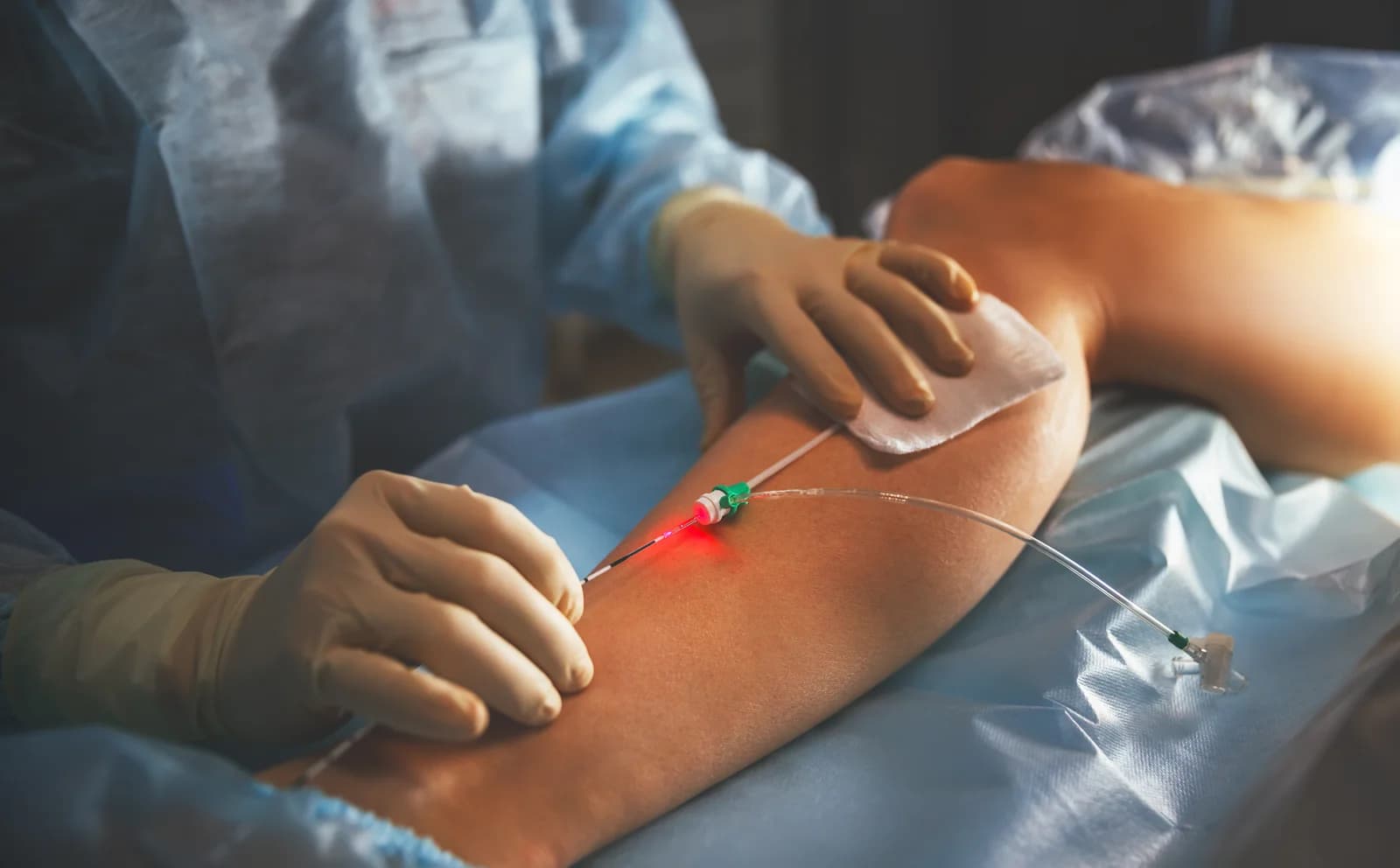
Some vein and dialysis-access procedures can be performed in an outpatient setting, with discharge the same day. Preparation, anesthesia, recovery, and transportation requirements depend on the procedure and your health — your care team explains what to expect before the appointment and when to seek help afterward.
What can be done in an outpatient setting
At Florida Vascular Care, that includes vein treatments such as ClosureFast and VenaSeal, and dialysis access procedures such as fistulograms, angioplasty, and access maintenance. Whether the outpatient setting is right for a given procedure depends on the procedure itself and on your health — some situations call for hospital-based care, and your specialist will tell you which applies to you.
Preparing for your visit
A practical checklist to discuss when you schedule:
- What to bring (photo ID, insurance card, medication list)
- Whether you need to adjust eating, drinking, or any medications — follow only the instructions your own care team gives you, not general advice from articles
- Whether you'll need someone to drive you home
- How long to allow for the full visit, including preparation and recovery time — not just the procedure itself
Anesthesia and comfort
Outpatient vascular procedures commonly use local anesthesia, sometimes with sedation for comfort. Local numbing and moderate sedation are different things with different rules for eating beforehand and driving afterward — which is why your instructions are specific to your procedure, and why being awake during a procedure doesn't by itself mean you can drive home.
Getting home and recovering
Discharge the same day is common, with activity instructions that vary by procedure. Transportation depends on what sedation you received and your discharge instructions — each time, not just the first. Before you leave, you should know: what's normal in the first days, what's not, and who to call if something concerns you.
Frequently asked questions
Will I be awake during the procedure?
Often, with local anesthesia and sometimes light sedation. What's used depends on the procedure and your health — ask when scheduling so you know what to expect.
Do I need someone to drive me home?
It depends on the sedation used and your discharge instructions. Confirm when you schedule, and plan a driver whenever sedation is a possibility.
How long will I be at the office?
Longer than the procedure itself — preparation and recovery add time. The office will tell you how long to allow for your specific appointment.
Planning a procedure? Contact the office for instructions specific to your appointment, or call (561) 408-0304. New patient? Start with an evaluation.
This article is general health information, not medical advice, and does not replace an evaluation by a clinician. If you think you are having an emergency, call 911.