On this page

Leg pain brought on by walking and relieved by rest can be a sign of peripheral artery disease (PAD) — narrowed arteries reducing blood flow to the legs. Other conditions can cause similar symptoms. A clinical evaluation and circulation testing help identify the cause and guide treatment, which may include medication, exercise therapy, or a procedure.
What PAD leg pain feels like
- Cramping or aching in the calf, thigh, or buttock that starts with walking
- Comes on at a predictable distance and eases within minutes of resting
- Returns when you walk again
Spine and joint problems can mimic this pattern, and some people have more than one cause — which is why the evaluation matters. Many people with PAD dismiss the pain as normal aging; predictable walking pain isn't something to ignore.
How circulation is checked
Evaluation starts with your history and an examination, including the pulses in your legs and feet. The most common first test is the ankle-brachial index (ABI) — a simple comparison of blood pressure at your ankle and your arm. Depending on those results, additional physiological testing or imaging may follow. No single test decides everything; the picture is built step by step.
How PAD is treated
Treatment starts with protecting your circulation and your heart: quitting smoking, cholesterol and blood pressure management, antiplatelet medication when appropriate, careful foot care, and a structured walking program — which has been shown to improve walking distance. When symptoms remain significantly limiting despite that care, a procedure such as angioplasty may be considered to open the narrowed artery. Severe cases — pain at rest or non-healing foot wounds — follow a more urgent pathway.
When to seek care urgently
A leg or foot that suddenly becomes cold, pale, numb, weak, or severely painful is an emergency — seek immediate care. Foot pain at rest, or a foot wound that isn't healing, deserves prompt evaluation rather than a routine wait.
Frequently asked questions
How is PAD pain different from arthritis or a pinched nerve?
PAD pain is tied to effort: it appears with walking and eases with standing still. Joint pain tends to vary with position and movement; nerve pain often changes with posture. An evaluation can sort out overlapping causes.
Can PAD be reversed?
PAD is managed rather than cured. Risk-factor treatment and structured exercise can meaningfully improve symptoms and protect you from heart attack and stroke — the same disease process affects those arteries too. Treatment choices depend on your symptoms and circulation.
Who should get checked?
Anyone with walking-related leg pain — especially people who smoke or have diabetes, high blood pressure, or high cholesterol. Ask your clinician whether circulation testing makes sense for you.
Walking shouldn't hurt. Florida Vascular Care does not currently treat peripheral artery disease — ask your primary care clinician whether circulation testing and a referral make sense for you. For a suddenly cold, numb, or painful limb, seek emergency care.
This article is general health information, not medical advice, and does not replace an evaluation by a clinician. If you think you are having an emergency, call 911.
Related articles
 Leg & vein health
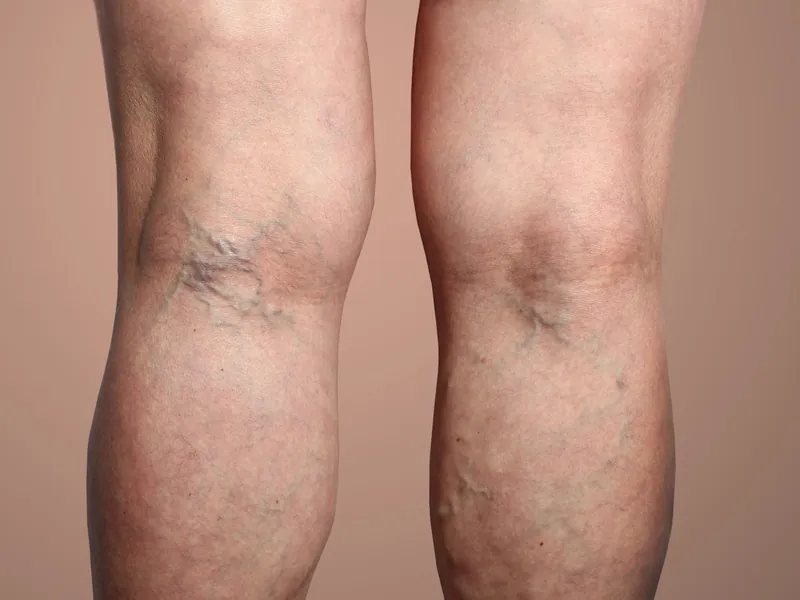
Are Varicose Veins Dangerous? Signs to Get Checked
Learn when varicose veins need medical attention, which symptoms matter, and what to expect from a vein evaluation in Pompano Beach. Leg & vein health
Stages of Vein Disease: CEAP C0–C6 Explained
Understand CEAP vein disease classes, from spider veins to venous ulcers, and learn which symptoms warrant a medical evaluation.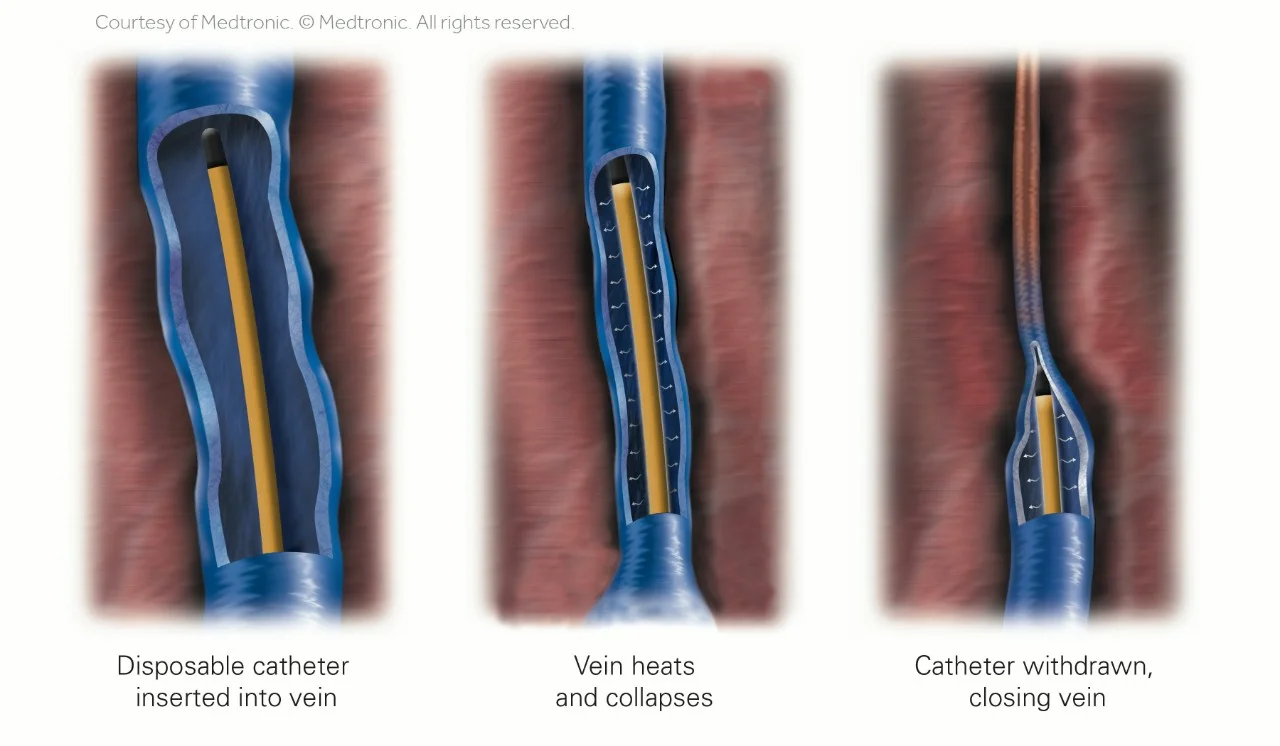 Leg & vein health
VenaSeal vs. ClosureFast: Benefits, Risks and Recovery
Compare VenaSeal and ClosureFast — how they work, anesthesia, potential risks, recovery, and questions to ask at your vein consultation.