On this page
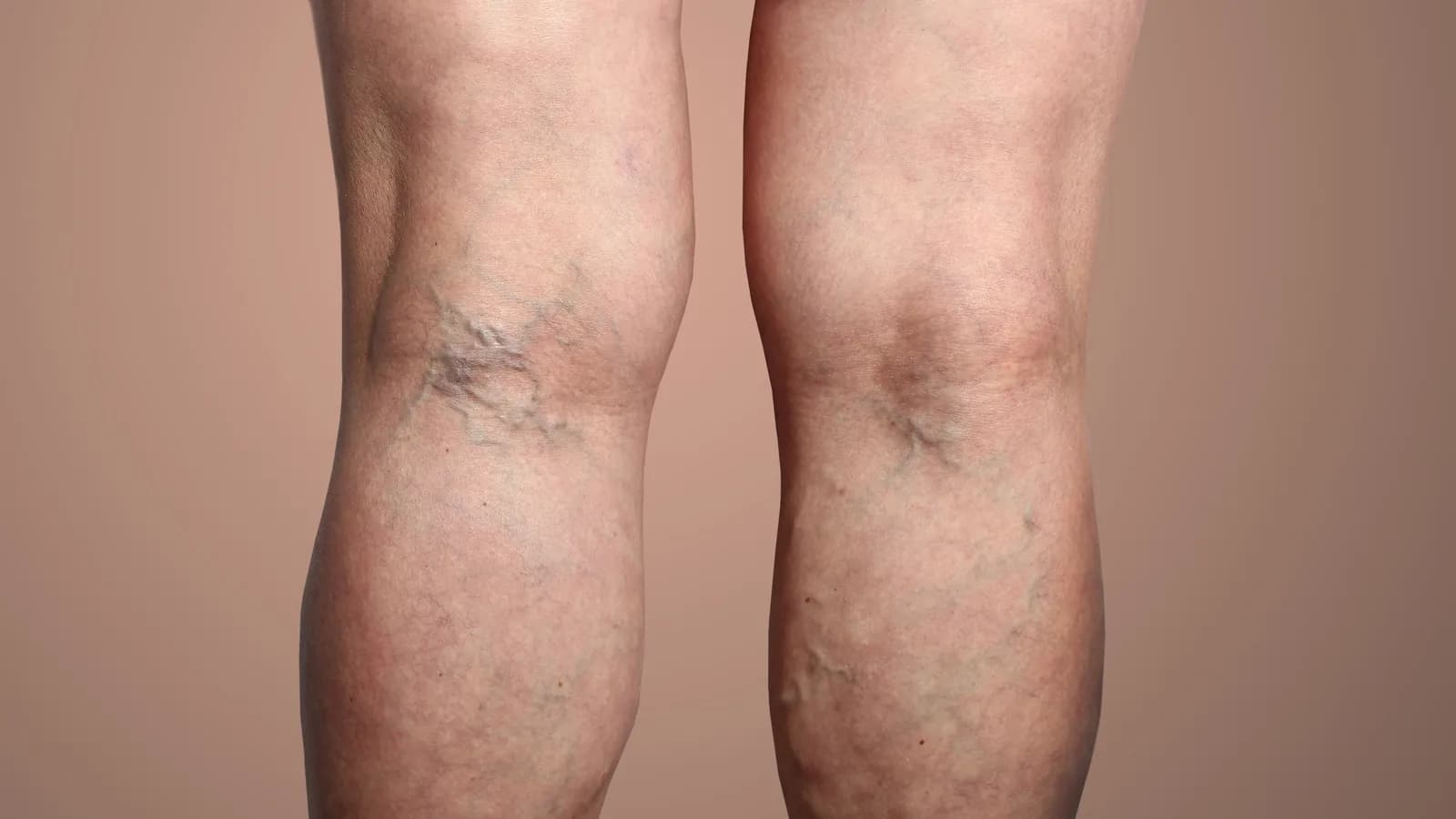
Varicose veins are often not dangerous, but they can cause discomfort and sometimes lead to complications such as skin changes, bleeding, or ulcers. Persistent aching, swelling, or skin changes near the ankle deserve an evaluation. The appearance of a vein alone doesn't establish how serious the problem is — that's what an examination is for.
What varicose veins actually are
Healthy leg veins use one-way valves to move blood back toward the heart. When valves weaken, blood can pool and the vein enlarges — that's a varicose vein. Established varicose veins usually persist without treatment, though veins that appear during pregnancy can improve after delivery. Some cause no symptoms at all; others ache, throb, or itch by the end of the day.
Symptoms that may warrant an evaluation
- Aching, heaviness, or throbbing that worsens through the day
- Swelling around the ankles that doesn't fully resolve overnight
- Itching or irritated skin over a vein
- Night cramps or restless legs
- Skin darkening or hardening near the ankle
These symptoms can have other causes, so they don't diagnose vein disease on their own — but they're a reasonable reason to get checked, especially when they persist.
When it's urgent
A vein that suddenly becomes hard, cord-like, and painful should be assessed promptly. Sudden swelling in one leg — especially with pain, warmth, or redness — needs same-day medical evaluation, because it can signal a clot in the deeper veins. Chest pain or sudden shortness of breath is an emergency: call 911. Visible varicose veins by themselves don't diagnose a deep vein clot; these warning signs are about new, sudden changes.
What happens at an evaluation
A vein evaluation typically includes a history, an examination, and — when findings suggest vein disease — a duplex ultrasound to check how blood is flowing through the leg veins. From there, options range from conservative measures (compression, elevation, activity) to minimally invasive vein closure such as ClosureFast or VenaSeal when treatment is appropriate. Every option has benefits and limitations, and treated disease can recur — which is why the plan starts with an exam, not a procedure.
Frequently asked questions
Do varicose veins go away on their own?
Usually not once established, though pregnancy-related veins can improve after delivery. Symptoms can often be managed conservatively; an evaluation clarifies your options.
When should I see a doctor about varicose veins?
When they ache, swell, itch, bleed, or come with skin changes near the ankle — or any time they bother you enough to want answers.
Are varicose veins the same as spider veins?
No. Spider veins are small surface vessels that are usually cosmetic. Varicose veins are larger and more often linked to underlying valve problems, which is why symptoms matter more than appearance.
Have persistent aching, swelling, or skin changes? Request a vein evaluation with Florida Vascular Care in Pompano Beach, or call (561) 408-0304. For sudden one-sided leg swelling, seek same-day care; for chest pain or trouble breathing, call 911.
This article is general health information, not medical advice, and does not replace an evaluation by a clinician. If you think you are having an emergency, call 911.
Related articles
 Leg & vein health
Stages of Vein Disease: CEAP C0–C6 Explained
Understand CEAP vein disease classes, from spider veins to venous ulcers, and learn which symptoms warrant a medical evaluation.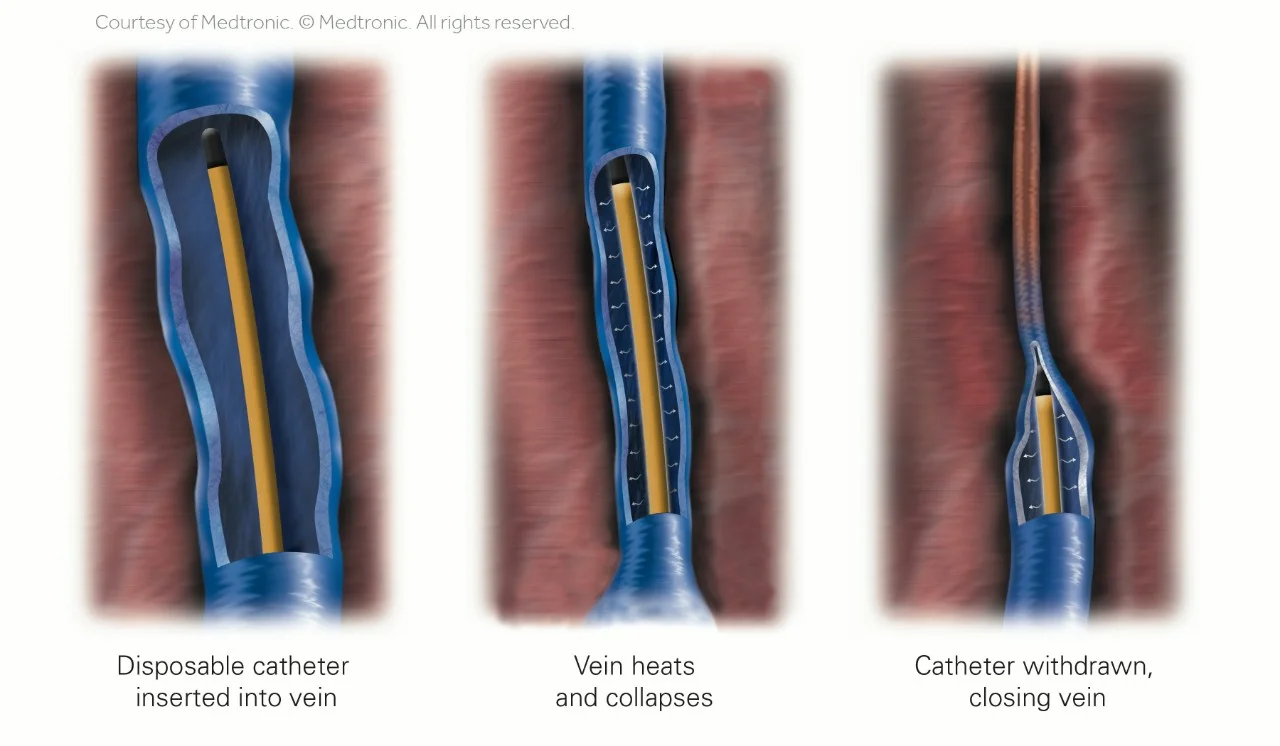 Leg & vein health
VenaSeal vs. ClosureFast: Benefits, Risks and Recovery
Compare VenaSeal and ClosureFast — how they work, anesthesia, potential risks, recovery, and questions to ask at your vein consultation. Leg & vein health
Leg Swelling That Won't Go Away: When to Seek Care
Persistent leg swelling can have several causes. Learn the urgent warning signs, when to seek care, and how a vascular evaluation may help.