On this page

Clinicians use CEAP clinical classes, from C0 to C6, to describe the signs of chronic venous disease. These range from no visible changes to an active venous ulcer. The classes help describe a patient's condition — they do not mean everyone with spider veins will develop an ulcer.
The CEAP clinical classes
| Class | Main clinical finding |
|---|---|
| C0 | No visible or palpable signs of vein disease |
| C1 | Spider or reticular veins |
| C2 | Varicose veins |
| C3 | Edema (swelling) |
| C4 | Skin changes related to venous disease (darkening, hardening, inflammation) |
| C5 | Healed venous ulcer |
| C6 | Active venous ulcer |
Clinicians use additional subdivisions, but these seven classes are the framework you'll hear referenced. Learn more on our stages of vein disease page.
What the classes do — and don't — mean
A CEAP class describes what's found on examination. It is not a countdown: vein disease doesn't move through the classes on a fixed schedule, and most people with spider veins never develop an ulcer. Some people progress; many stay stable for years. What the classes are useful for is putting a name to findings and tracking whether they change.
When to get evaluated
Symptoms matter more than class numbers. Persistent aching, heaviness, swelling that doesn't resolve overnight, or skin changes near the ankle are reasons to see a specialist — those findings (C3 and above) are where chronic venous insufficiency becomes more likely and where treatment decisions get more consequential.
How your class is assessed
Assessment starts with a history and physical examination. When symptoms or findings suggest venous disease, a duplex ultrasound is used to check the vein anatomy and look for reflux (valve leakage). Routine ultrasound isn't recommended for spider veins that cause no symptoms — testing follows the clinical picture.
Frequently asked questions
Will my spider veins turn into an ulcer?
Most spider veins never progress to anything serious. Spider veins with no symptoms are generally a cosmetic issue; new symptoms or skin changes are what warrant a medical look.
Does treating a vein stop vein disease?
Treatment closes the diseased vein that's causing symptoms. It doesn't guarantee new problems won't develop elsewhere, which is why follow-up care matters.
What class needs treatment?
There's no automatic cutoff. Treatment decisions are based on symptoms, examination and ultrasound findings, and your goals — not the class number alone.
Have symptoms that concern you? Schedule an evaluation with Florida Vascular Care in Pompano Beach, or call (561) 408-0304.
This article is general health information, not medical advice, and does not replace an evaluation by a clinician. If you think you are having an emergency, call 911.
Related articles
 Leg & vein health
VenaSeal vs. ClosureFast: Benefits, Risks and Recovery
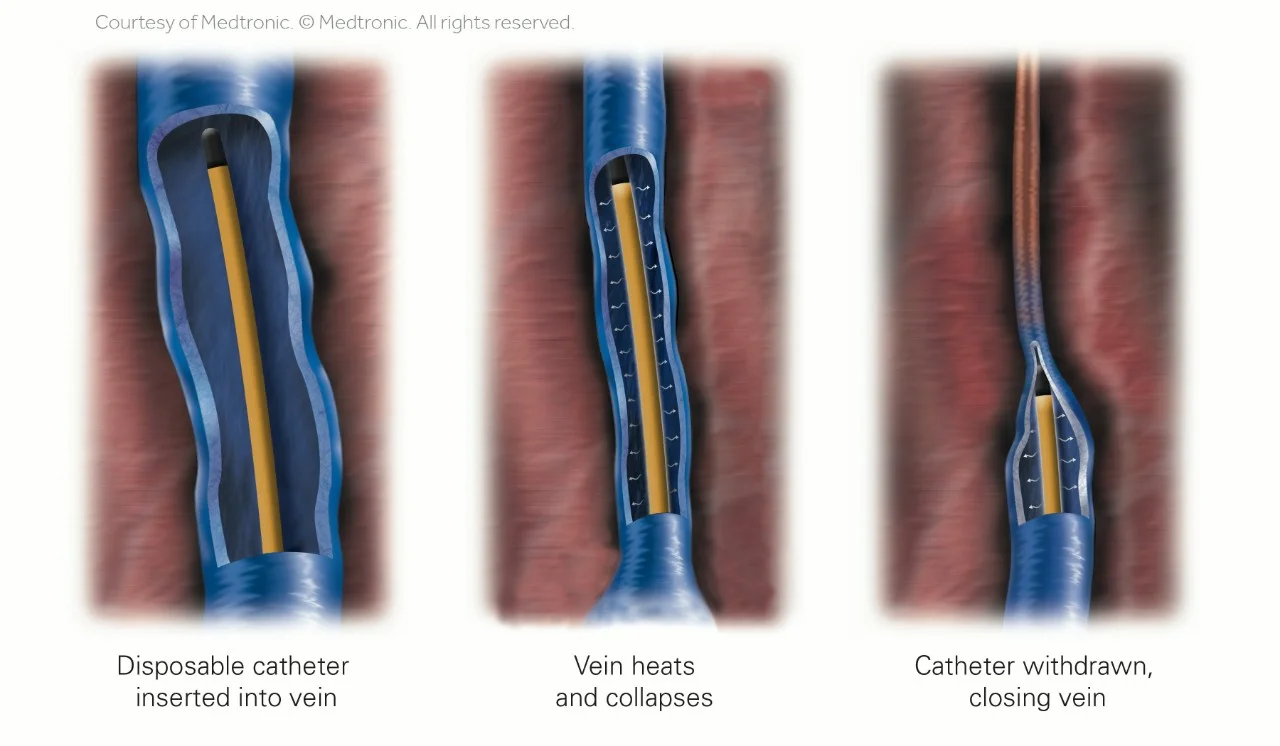
Compare VenaSeal and ClosureFast — how they work, anesthesia, potential risks, recovery, and questions to ask at your vein consultation. Leg & vein health
Leg Swelling That Won't Go Away: When to Seek Care
Persistent leg swelling can have several causes. Learn the urgent warning signs, when to seek care, and how a vascular evaluation may help. Leg & vein health
Leg Wound Not Healing? Causes of Venous Ulcers
A leg wound that won't heal needs prompt assessment. Learn how venous ulcers are recognized and why compression, wound care, and vein treatment work together.