On this page
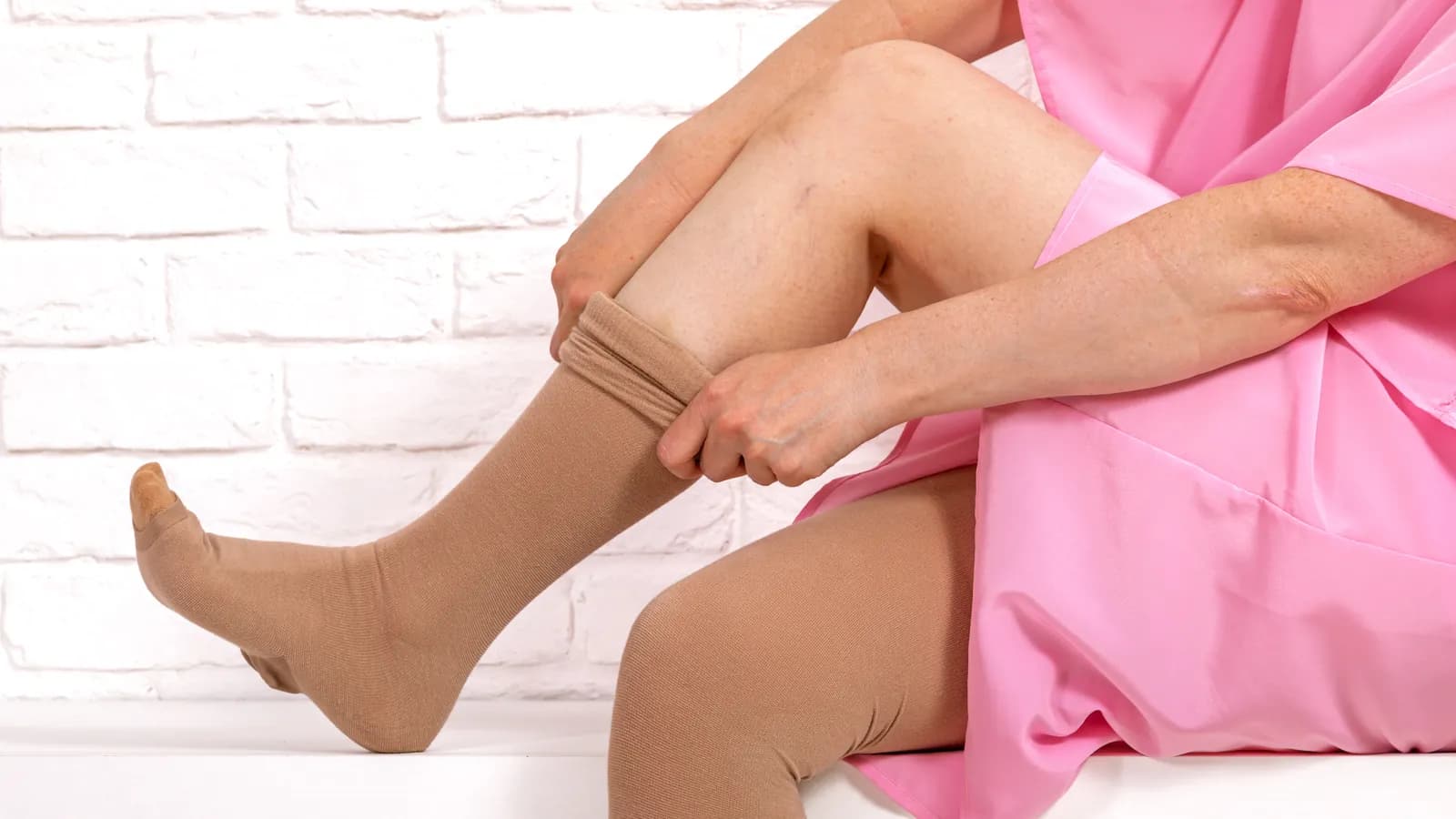
A wound near the ankle that is slow to heal may be a venous ulcer — but an examination is needed to establish the cause. Care may combine dressings, appropriate compression, and treatment of underlying vein disease. Vein treatment can help selected patients heal sooner, but ongoing wound care and follow-up remain important.
Why some leg wounds heal slowly
When leg vein valves leak, pressure builds in the lower leg and the skin around the ankle becomes fragile — minor injuries can break down into a venous ulcer that struggles to close. But not every slow-healing leg wound is venous: arterial disease, diabetes, and mixed causes look similar and need different care. That's why the first step is an assessment of the wound and the circulation behind it, including the arterial supply.
How venous ulcers are recognized
- Usually near the inner ankle
- Shallow, irregular shape, often weeping
- Surrounding skin that is darkened, hardened, or itchy
- More aching than sharp pain, often better with elevation
Location and appearance raise suspicion — they don't make the diagnosis. An exam and circulation testing do.
How treatment works together
Good wound care and vein treatment are partners, not competitors. Dressings keep the wound environment right; compression supports venous return and is central to venous ulcer care (once arterial circulation is confirmed adequate); and treating the underlying reflux — for example with minimally invasive vein closure — can help selected patients heal sooner and may reduce recurrence. None of these replaces the others, and follow-up continues after the wound closes.
When to seek care urgently
Any leg wound that isn't healing deserves prompt assessment — don't wait months. Seek care quickly for spreading redness, increasing pain, warmth, fever, or new drainage. A leg or foot that suddenly becomes cold, pale, numb, or severely painful is an emergency. Florida Vascular Care does not provide wound care; wound treatment should be managed by your primary care clinician or a wound-care team.
Frequently asked questions
How long do venous ulcers take to heal?
It varies from weeks to months depending on the wound, the circulation, and how consistently compression and wound care happen. Your care team can give you a realistic picture for your case.
Are venous ulcers preventable?
Risk can be reduced — compression, skin care, and treating significant vein disease all help — but prevention isn't guaranteed. Prompt attention to early skin changes matters.
Do venous ulcers come back?
They can. Ongoing compression and follow-up care lower the chance of recurrence, which is why care doesn't stop when the wound closes.
A wound that isn't healing deserves prompt assessment by your primary care clinician or a wound-care provider. To learn more about the vein disease behind most venous ulcers, read about chronic venous insufficiency.
This article is general health information, not medical advice, and does not replace an evaluation by a clinician. If you think you are having an emergency, call 911.
Related articles
 Leg & vein health
Leg Pain When Walking: Could It Be PAD?
Leg pain when walking can have several causes, including PAD. Learn the warning signs, how circulation is checked, and when to seek care.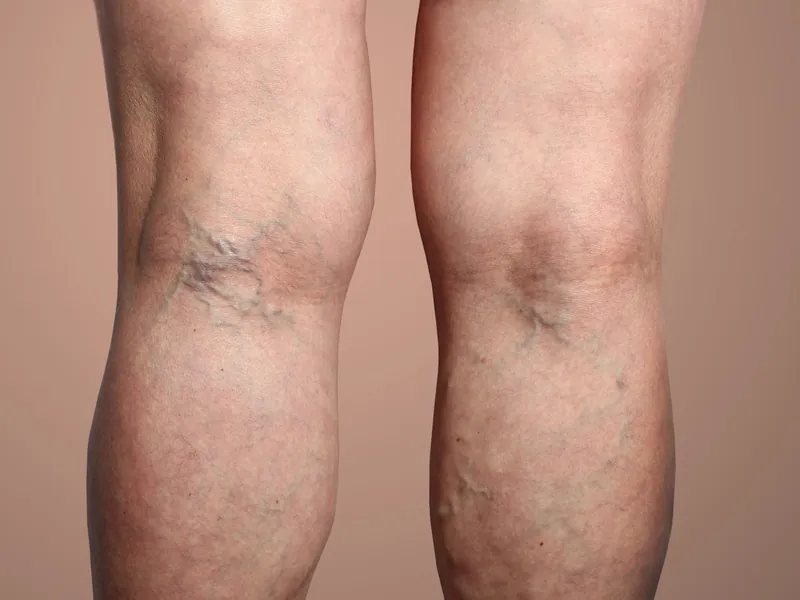 Leg & vein health
Are Varicose Veins Dangerous? Signs to Get Checked
Learn when varicose veins need medical attention, which symptoms matter, and what to expect from a vein evaluation in Pompano Beach. Leg & vein health
Stages of Vein Disease: CEAP C0–C6 Explained
Understand CEAP vein disease classes, from spider veins to venous ulcers, and learn which symptoms warrant a medical evaluation.